 Local Government

 Education


 App Builder
 Business Analytics
 Corporate Performance Management
 Curriculum Management
 DxP Essentials
 Enterprise Asset Management
 Enterprise Budgeting
 Enterprise Cash Receipting
 Enterprise Content Management
 Financials
 Guide
 Human Resources
 Payroll
 Performance Planning
 Plus
 Student Management
 Supply Chain Management
 Timetabling & Scheduling

 About SaaS+
 Our Solutions
 ERP in 30 Days
 Security
 Software Releases
 About Us
 Investor Relations
 Life@Tech1
 Foundation
 Careers
 Login
 Customer community
 Enterprise App Store
Prevention is cheaper than crisis.
So why is it the first thing councils cut?
New research from Localis sets out what it takes to move local public services from managing crisis to preventing it, with a practical blueprint built on shared intelligence, not bigger data lakes.
Download the Connected Prevention reportWhat needs to change
What Connected Prevention means for councils
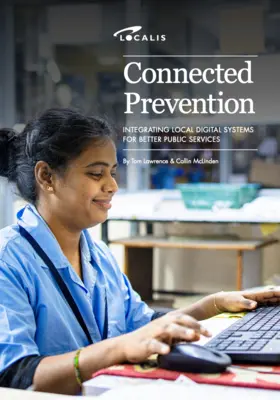
Preventative spend means investing earlier to stop a problem becoming more serious and more expensive later: supporting a family before a child needs to enter care, helping someone before they become homeless, or keeping an older person independent at home.
The case is strong, but when budgets tighten, prevention is often squeezed first because the payback takes years, while crisis services must be funded now. That creates a vicious circle of less early support and more costly demand.
Connected Prevention: Integrating Local Digital Systems for Better Public Services looks at how to break it. It sets out what needs to be in place for councils, health, housing, strategic authorities and the voluntary and community sector to identify problems earlier and intervene together.
The report's message is clear: prevention doesn't need bespoke builds. It needs shared standards, aggregated demand and a focus on the use cases that matter most.
Download report
Download the report
Acknowledgement

We talk a lot about the financial pressures facing local government, but we won’t solve them simply by getting better at dealing with people once they reach crisis. We have to get better at preventing that crisis in the first place.
That’s why Connected Prevention is so important to us at TechnologyOne. Technology and data can help councils see problems earlier, work differently with their partners and intervene sooner. For me, the opportunity isn’t simply to use technology to process demand more efficiently; it’s to use it to help reduce that demand in the first place.
Emma Foy, Local Government Lead, TechnologyOnePublic services are currently facing crisis-level demand amid historic financial pressures. Moving from back-office savings to a shared intelligence spine across councils, health, and housing is no longer optional — it is the prerequisite for realising the ambitions of sustainable public service reform and preventative care that makes a difference in the lives of communities and localities.
Dr Tom Lawrence, Research Associate and report co-author, Localis