Local Government
 Education

 App Builder
 Business Analytics
 Corporate Performance Management
 Curriculum Management
 DxP Essentials
 Enterprise Asset Management
 Enterprise Budgeting
 Enterprise Cash Receipting
 Enterprise Content Management
 Financials
 Guide
Guide
 Human Resources
 Payroll
 Performance Planning
 Plus
Plus
 Student Management
 Supply Chain Management
 Timetabling & Scheduling

 About SaaS+
 Our Solutions
 ERP in 30 Days
 Security
 Software Releases
 About Us
 Investor Relations
 Life@Tech1
 Foundation
 Careers
 Login
Login Customer community
 Enterprise App Store
Our Expert ERP Guide
Enterprise Resource Planning (ERP) software is a comprehensive solution that integrates and manages core business processes within a unified system.
By streamlining operations such as finance, supply chain, human resources, customer relationship management, and more, ERP software provides an organisation with a single source of truth, enhancing efficiency and collaboration.
For global businesses, ERP software enables companies to remain competitive in a fast-paced digital landscape. At its core, ERP software is about centralisation, scalability, and providing actionable insights quickly.
The history of ERP software
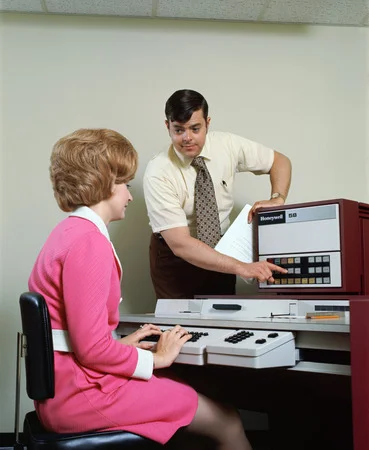 ERP systems have evolved into indispensable assets for businesses worldwide, with an expected global market size of US $110.15 billion by 2034.
This figure highlights ERP's transformative potential in enhancing productivity and reducing costs across industries, particularly for organisations that are still using manual or disparate, de-centralised systems.
ERP software's origins date back to the 1960s, when it was rooted in Manufacturing Resource Planning (MRP) systems. Initially designed to optimise inventory and production processes, these systems evolved over decades to address broader organisational needs.
As computer technology continued to evolve rapidly in the 1980s and 1990s, the technology industry soon coined a new name for it: Enterprise Resource Planning. While ERP was originally quite expensive and needed big, clunky hardware, modern ERP solutions have grown to incorporate scalability and cloud-based functionality, meeting the dynamic requirements of industries like manufacturing, retail, and logistics.
How does ERP software work?
ERP software functions as an integrated platform that connects various essential business operations. ERP systems enable seamless data sharing across departments through advanced cloud technology, APIs, and automation.
For instance, when a sales order is processed, it automatically updates inventory levels, financial records, and supply chain schedules in real-time.
TechnologyOne’s ERP system takes this integration a step further by offering customisable workflows and automation, ensuring that businesses operate more efficiently and effectively.
You can learn more about how our ERP software can help your organisation or business with:
- Asset management
- Business analytics
- Budgeting
- Content managment
- Human resources and payroll
- Performance planning
- Supply chain management
- Timetabling and scheduling
And much more!
What is ‘software as a service’?
Essentially, there are three different forms of ERP software:
- Software as a service, or a cloud distribution model (also known as Saas)
- A licensing model, also known as ‘on-premises’
- A hybrid model
TechnologyOne utilises a SaaS+ delivery model. Using this model, the software is hosted on the cloud and accessed via the internet. This eliminates the need for on-premises infrastructure, reducing IT overheads and ensuring scalability.
And what is ‘SaaS+’?
SaaS+ is TechnologyOne’s unique evolution of the traditional SaaS concept. It’s our all-inclusive offering, specifically tailored to the industries we serve.
Harnessing TechnologyOne’s unique ‘Power of One’, SaaS+ ensures faster time to value by simplifying ERP deployment and ongoing management, enabling businesses to focus on growth rather than infrastructure.
With SaaS+ implementation, support, and upgrade costs included, TechnologyOne takes full ownership of the solution experience, not just the software.
Book a SaaS+ demo today to find out more.
Key features of ERP software
ERP software offers a wide array of features designed to enhance operational efficiency, unify processes, and support business growth. They’re also designed around a single data structure and a common database.
What constitutes a ‘good’ ERP system will entirely depend on your needs as a business, but common examples of what to look for include:
- Automation: Automates repetitive tasks like invoicing, payroll, and order processing, reducing human error and saving time.
- Data integration: Centralises data from multiple departments into a single system, breaking down siloes and ensuring all teams have access to real-time information.
- Financial management: Simplifies accounting tasks such as budgeting, forecasting, compliance, and financial reporting, ensuring accuracy and regulatory adherence.
- Human resource management: Streamlines payroll and employee data management, improving workforce efficiency.
- Advanced analytics: Provides comprehensive insights through customisable dashboards, enabling better strategic decision-making and performance tracking.
Ideally, you want your chosen ERP provider to offer scalability and customisation to the specific needs of your business. TechnologyOne’s ERP solutions also include industry-specific capabilities tailored to the needs of businesses.

Hopwood Hall College joins SaaS+ revolution
Hopwood Hall College and University Centre is partnering with TechnologyOne to help the college make informed decisions in a fast-changing world.
Learn moreThe benefits of using ERP software
Implementing Enterprise Resource Planning (ERP) software offers many advantages that can significantly enhance business operations, mainly:
- Improved operational efficiency
- Cost reductions
- And enhanced data visibility
Improved operational efficiency
ERP systems streamline workflows by automating routine tasks such as order processing, invoicing, and inventory management. In the manufacturing sector, ERP software can optimise production schedules and better manage supply chain logistics.
Cost reductions
By providing real-time insights into operations, ERP systems help businesses identify inefficiencies and reduce operational costs. In the retail industry, for example, ERP software can manage inventory levels more effectively, reducing excess stock and minimising storage costs.
Enhanced data visibility and reporting
ERP systems offer comprehensive analytics and reporting tools that provide managers with real-time data, facilitating informed decision-making.
In the logistics sector, accessing up-to-date information on fleet performance, delivery schedules, and inventory levels enables companies to optimise routes and better improve customer service.

NCG embarks on revolutionary digital transformation
NCG is embarking on a major digital transformation journey adopting SaaS to enhance its technological capabilities across its seven colleges.
Learn moreWho should use ERP software?
ERP software is ideal for businesses of all sizes seeking efficiency, scalability, and innovation. By unifying processes like finance, human resources, and supply chain management, ERP systems tend to offer the best value for local councils and education institutions.
You can read some of our customer stories to see how we successfully implement our ERP software.
Education institutions
Universities, colleges and higher education providers can benefit significantly from ERP software. By integrating student management, financials and HR processes, TechnologyOne’s OneEducation ERP enables institutions to operate more efficiently while delivering exceptional learning experiences.
Local government and councils
In today’s environment, councils are under pressure to deliver more services with fewer resources while maintaining transparency and compliance. TechnologyOne’s OneCouncil ERP software helps councils streamline operations, reduce administrative burdens and provide better services to their communities.

Royal Borough of Greenwich partners with TechnologyOne to modernise operations and safeguard community services
Royal Borough of Greenwich has partnered with global enterprise software provider TechnologyOne.
Learn moreHow to choose the best ERP software
Choosing the right ERP software is critical to achieving your organisation’s goals. Start by identifying your business needs and priorities, considering factors such as automation requirements, reporting capabilities, and integration with existing systems.
Some short tips for choosing the best ERP software are as follows:
- Ensure the ERP software can adapt to your organisation's unique processes and has the flexibility to grow as your business expands.
- Reliable local support is crucial for successful implementation and ongoing maintenance. TechnologyOne offers local expertise and dedicated assistance.
- Look for ERP systems designed with your industry in mind.
Finally, consider the provider’s track record, innovation, and user reviews. TechnologyOne’s strong track record of over 38 years makes us a trusted choice for businesses, higher education institutions, and local governments everywhere.
Learn more about TechnologyOne’s history.
ERP in 30 days: Why choose TechnologyOne for ERP software
With SaaS+, we’ve completely reimagined what digital transformation looks like for the communities that we serve. Drastically decreasing implementation time and improving time to value.
Our global SaaS ERP solution uses one code-line, one plan, one price and one point of call. That’s the Power of One.
Contact us today or book a demo to explore how you can implement ERP with TechnologyOne and transform your organisation.
Frequently asked questions (FAQs): ERP
Need more information? Check out some of TechnologyOne's most frequently asked questions about all things SaaS and ERP.
Essentially, there are three different forms of ERP software:
- Software as a Service, or a cloud distribution model (also known as SaaS)
- A licensing model, also known as ‘on-premise’
- A hybrid model
TechnologyOne utilises a SaaS model. Using this model, the software is hosted on the cloud and accessed via the internet. This eliminates the need for on-premise infrastructure, reducing IT overheads and ensuring scalability.
SaaS+ has been delivered with our customers in mind, providing:
- Dramatically improved time to value by providing preconfigured industry solutions and a streamlined implementation approach, ensuring our customers can benefit from a quicker return on their investment.
- A quantified scope, outcome, and approach – reducing the risk of project scope, time or budget overruns.
- Minimises project and organisational risk.
- Enables our customers to innovate faster, allowing them to transform their systems and processes to continuously meet the demands of the communities they serve.
- Security and compliance – reduces the risk of data breaches and non-compliance with relevant regulations. Data is stored locally to meet the UK's regulatory compliance and industry standards.
- Accessibility and mobility – can be accessed on any device, anywhere, at any time.
- We take full responsibility for building, implementing, running and supporting the software.
SaaS+ goes beyond traditional SaaS by including implementation, upgrades, security, and ongoing support in one annual fee. With SaaS+, TechnologyOne takes full accountability for delivering the entire solution experience, not just the software.
The timeframe for ERP implementation varies based on the complexity of the organisation, data migration needs, and customisation requirements. On average, ERP implementation can take around 12 months, with larger-scale implementations taking longer. Some can take over 700 days!
At TechnologyOne, our goal is to get you to ERP in 30 days, drastically decreasing implementation time and improving time to value.
Cloud-based ERP solutions provide flexibility, scalability, and lower upfront costs, as they are hosted by the ERP provider.
On-premise ERP systems, on the other hand, require in-house servers and IT management, offering more control but also higher maintenance responsibilities.